VICTORIA HARBOUR LEKWUNGEN WELCOME
CLIENT: Greater Victoria Harbour Authority (GVHA)
LOCATION: Victoria, BC
SCOPE: Community Engagement, Structure and Graphic Design, Content Coordination, Design Services from Concept through Construction Reviews
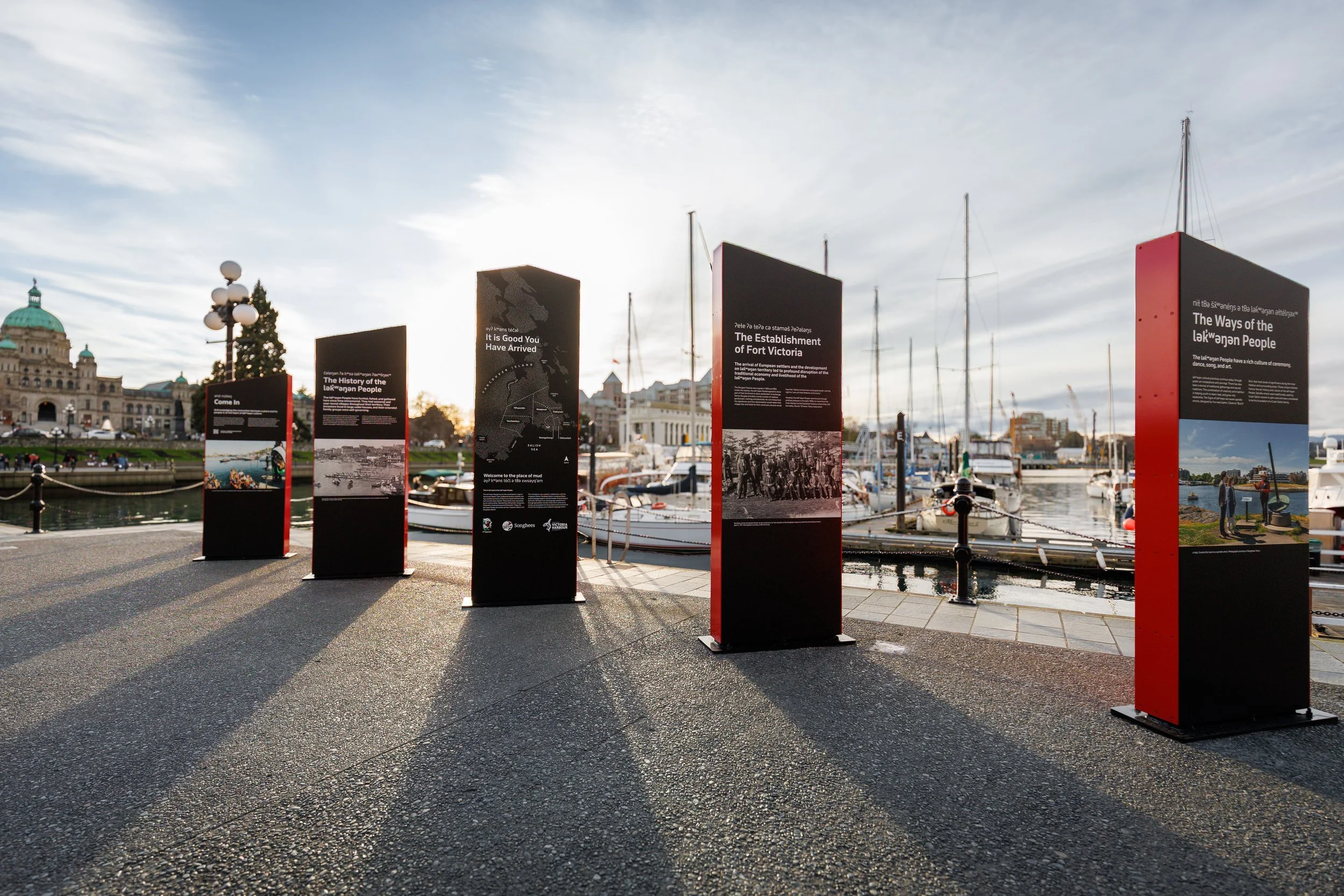
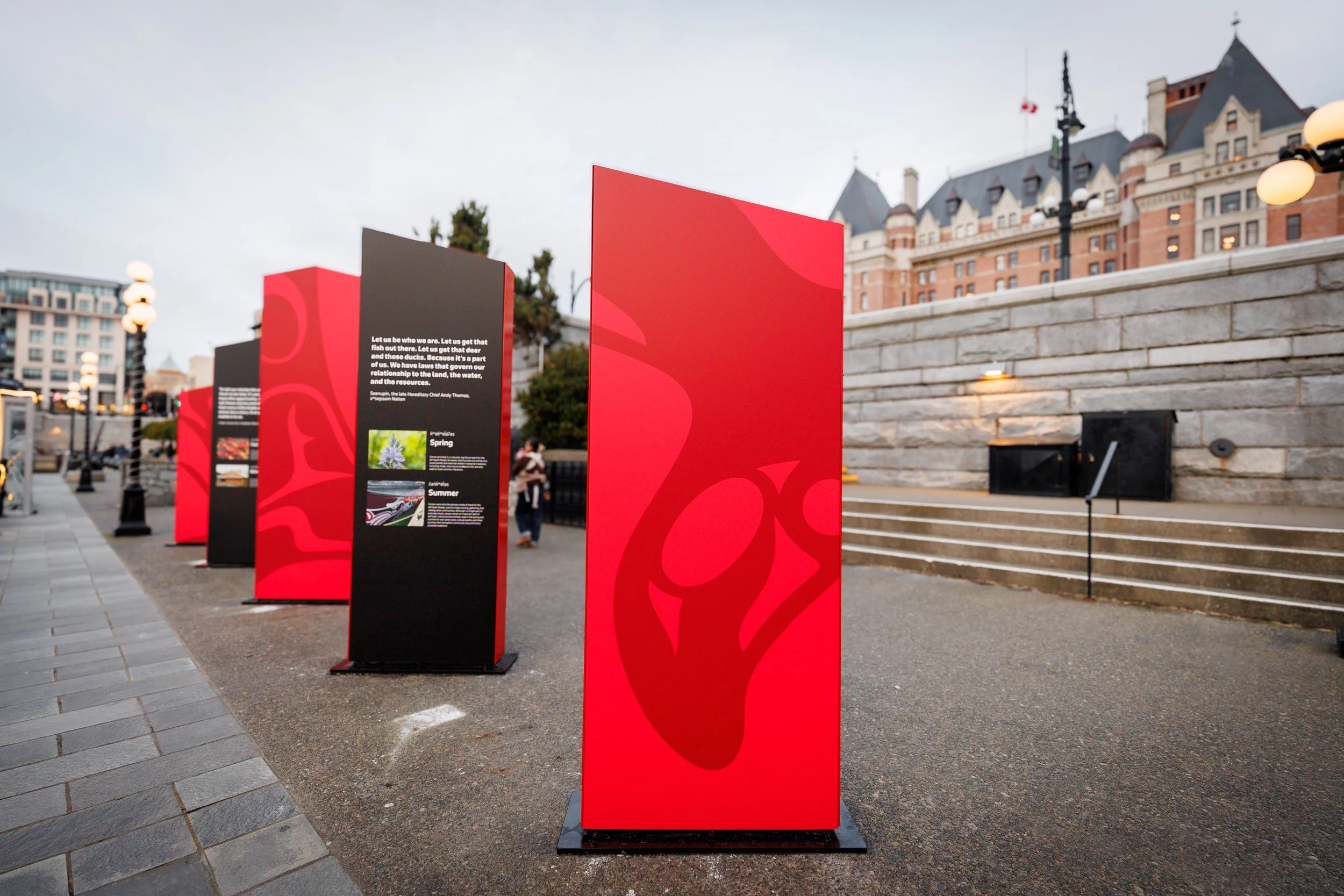
xwsəyq’əm or “the Place of Mud” is an interpretive installation which reclaims and honours a site of profound cultural, ecological, and historical significance in the inner harbour of Victoria, BC. It is the latest collaboration between Lost & Found Design and the GVHA in partnership with Songhees and xʷsepsəm Nations, and part of an ongoing, community-led initiative to incorporate lək̓ʷəŋən culture, language, and history into the fabric of Victoria’s Inner Harbour.
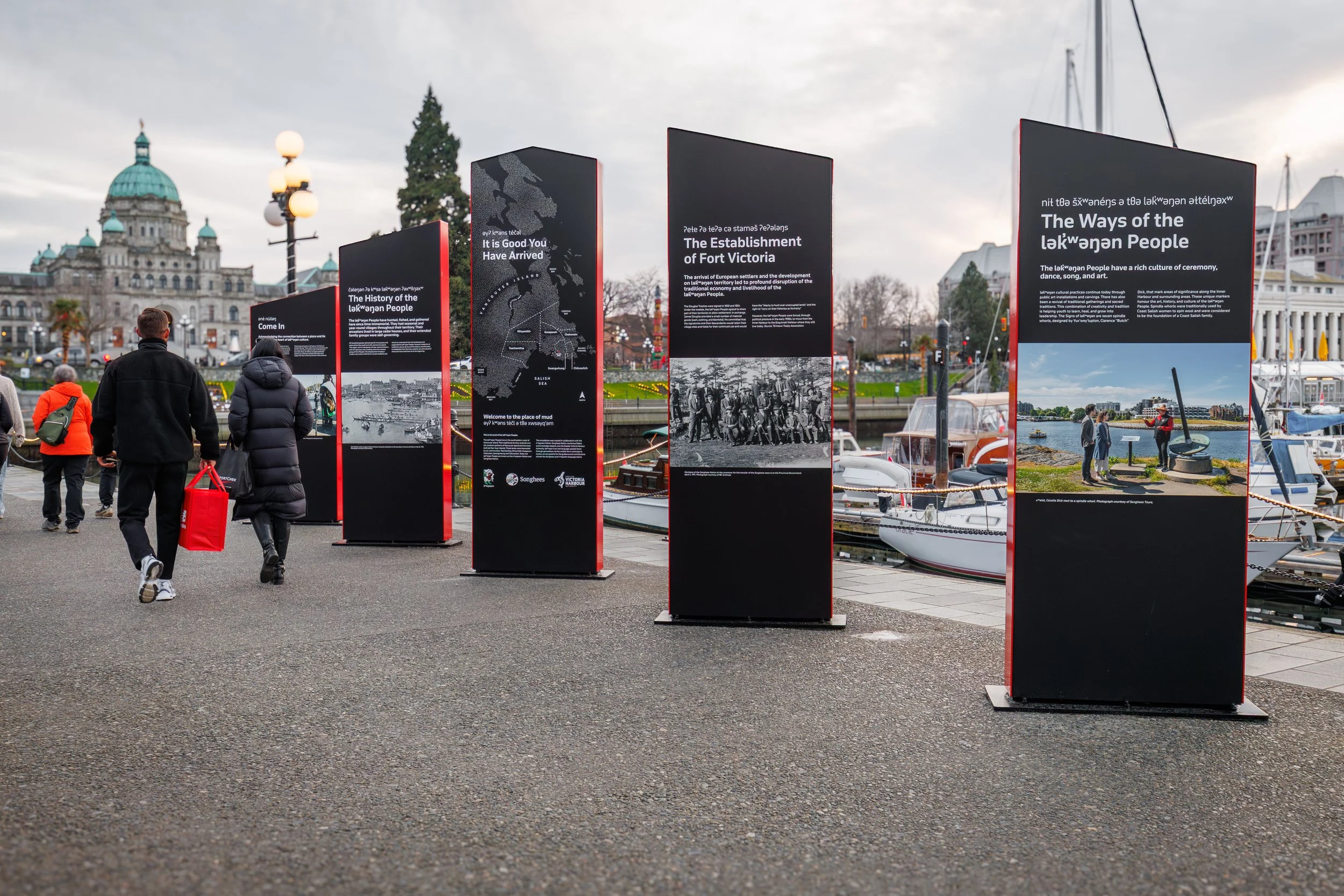
“This area has been an important meeting place for generations. This location was once the village site of the xʷsepsəm, right where the Legislature building stands today. We’re excited that visitors and residents will have the opportunity to learn about lək̓ʷəŋən culture and the importance of this area to our people.”
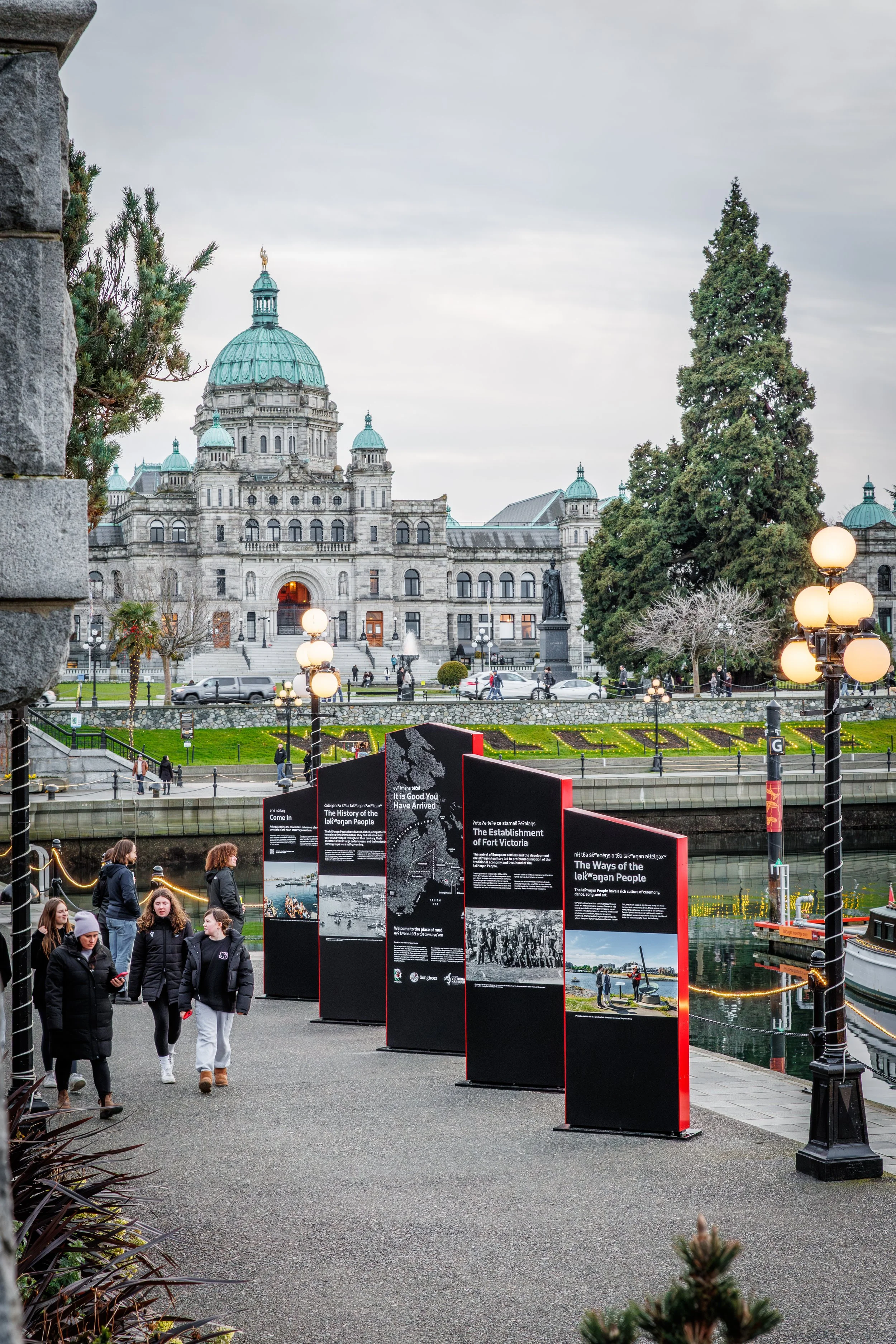
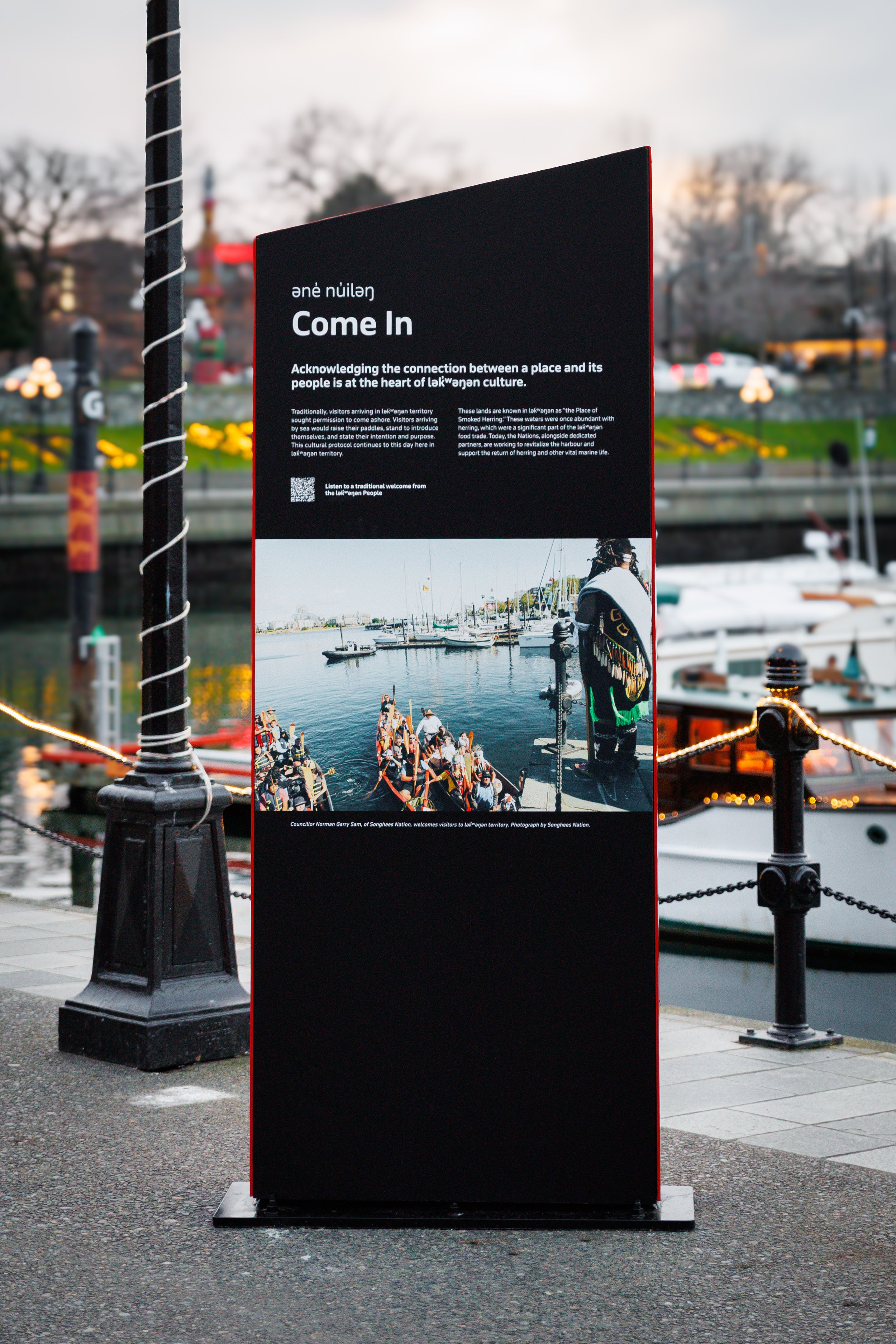
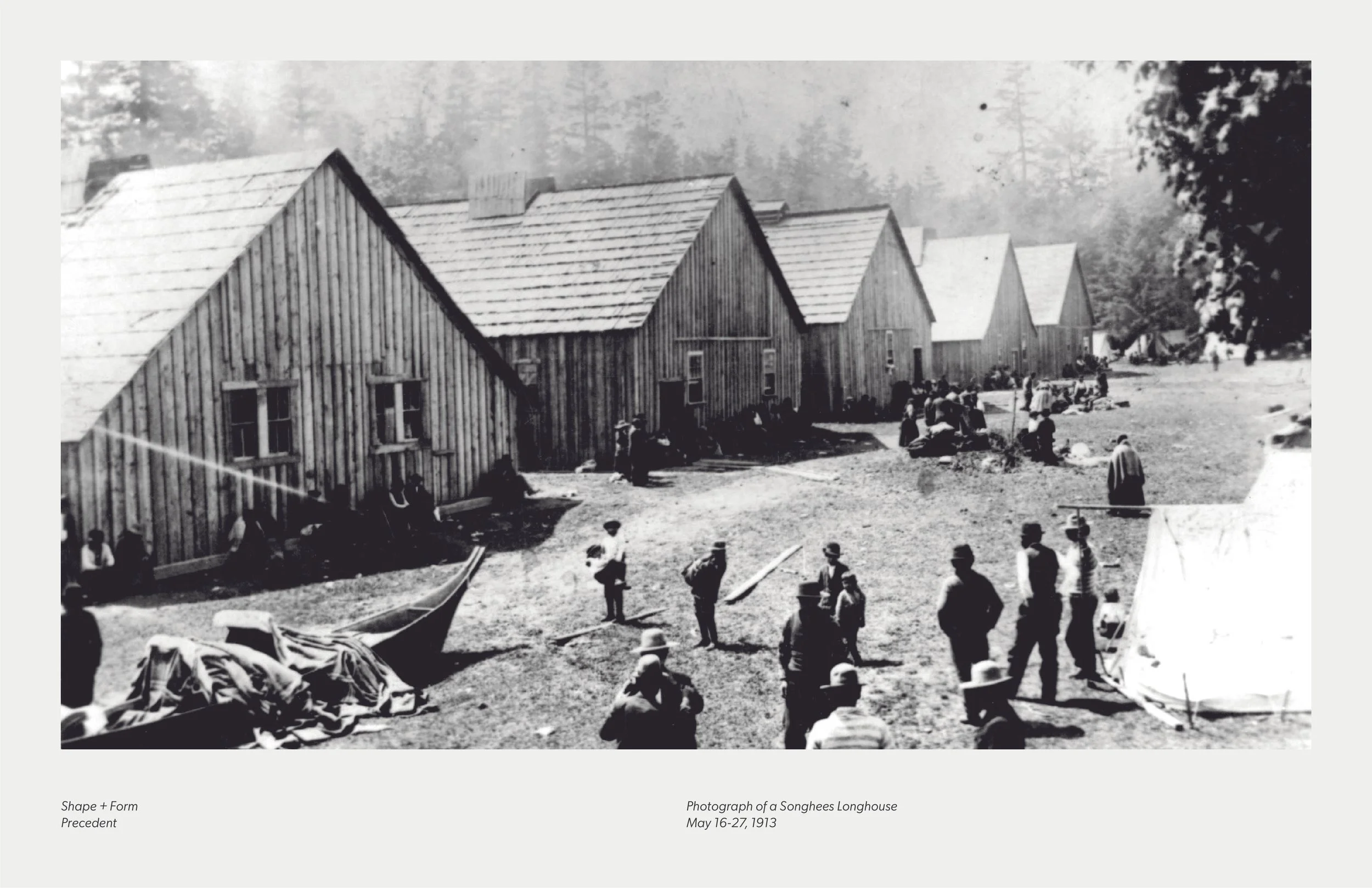
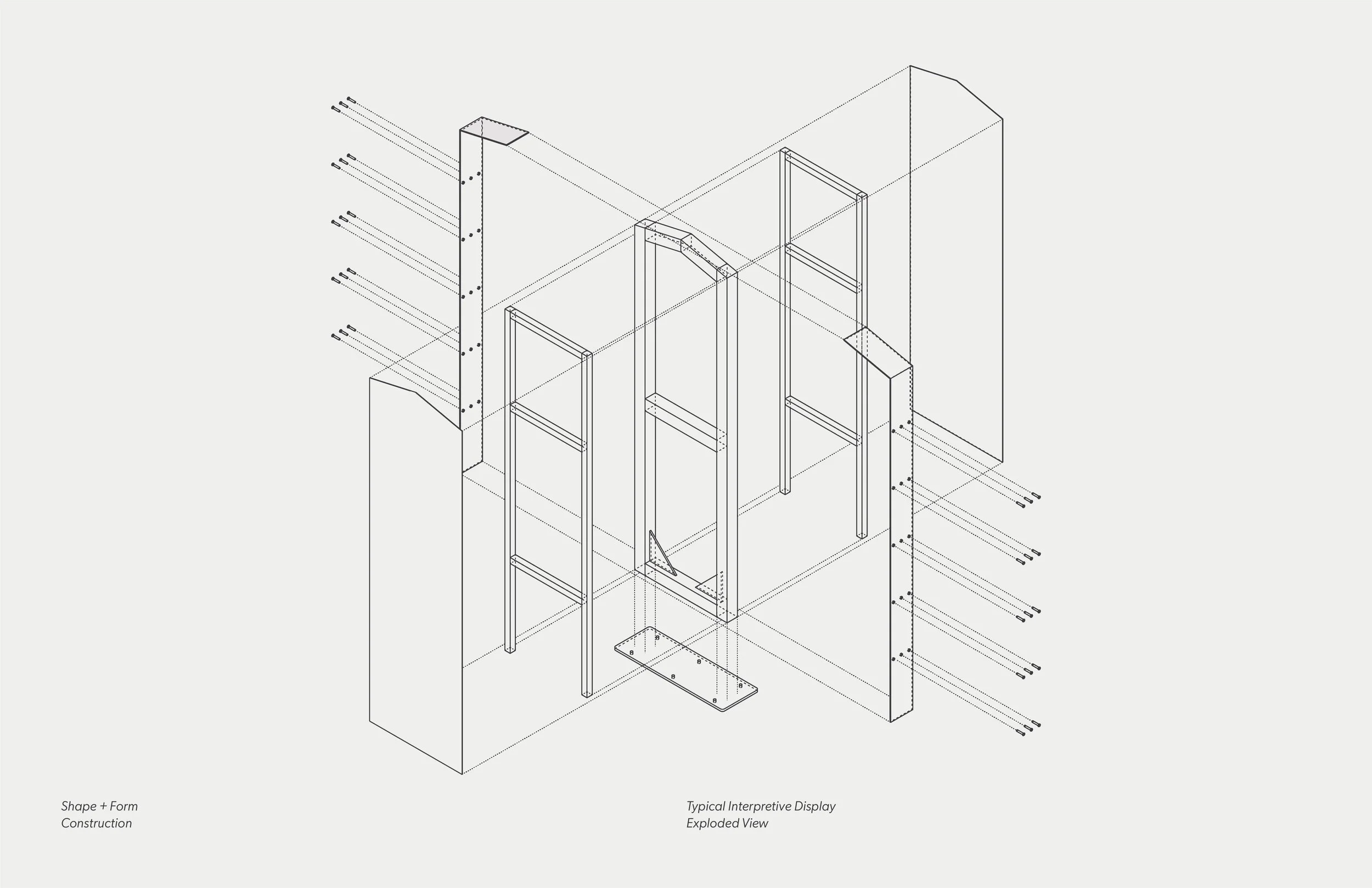
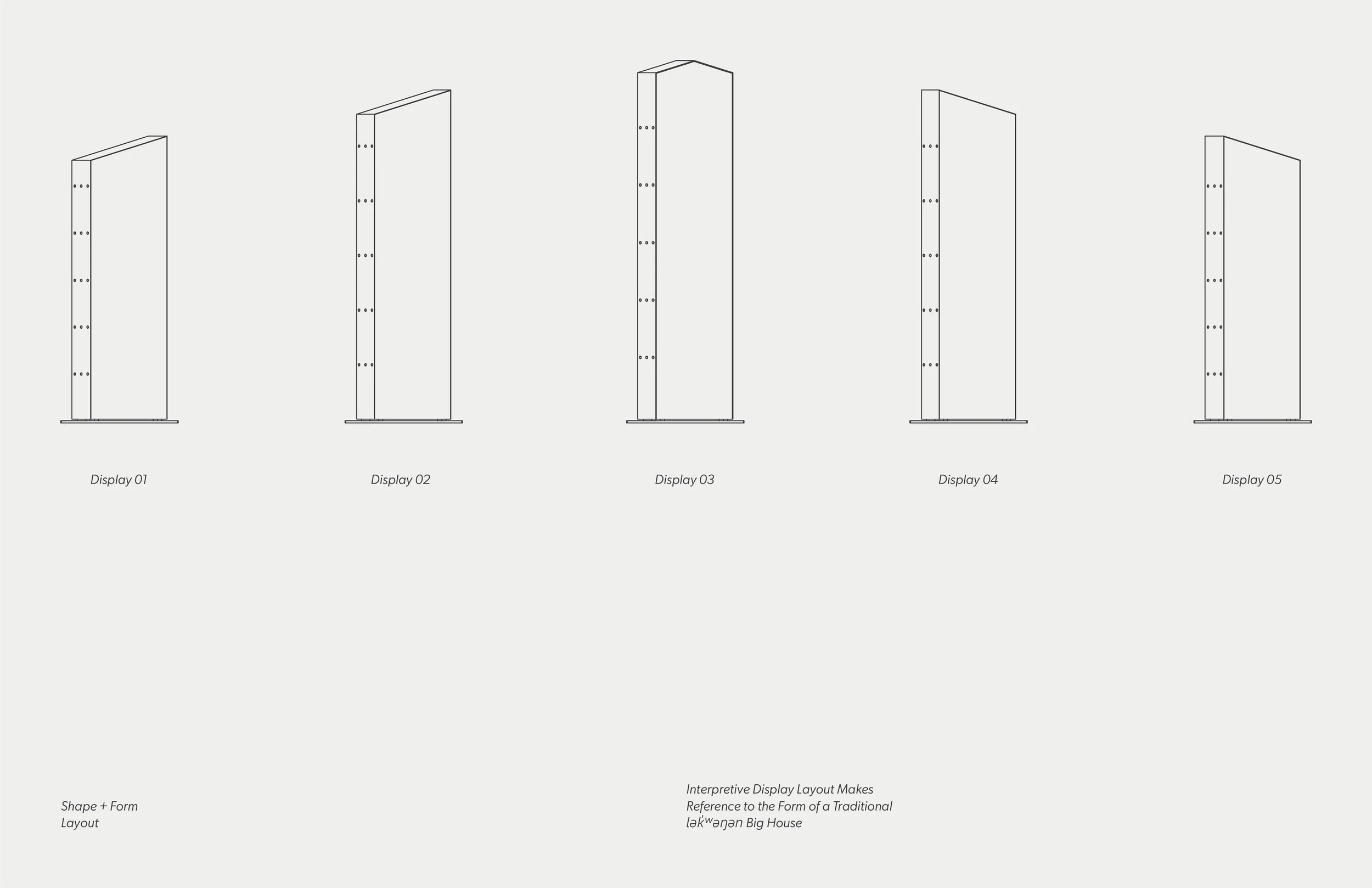
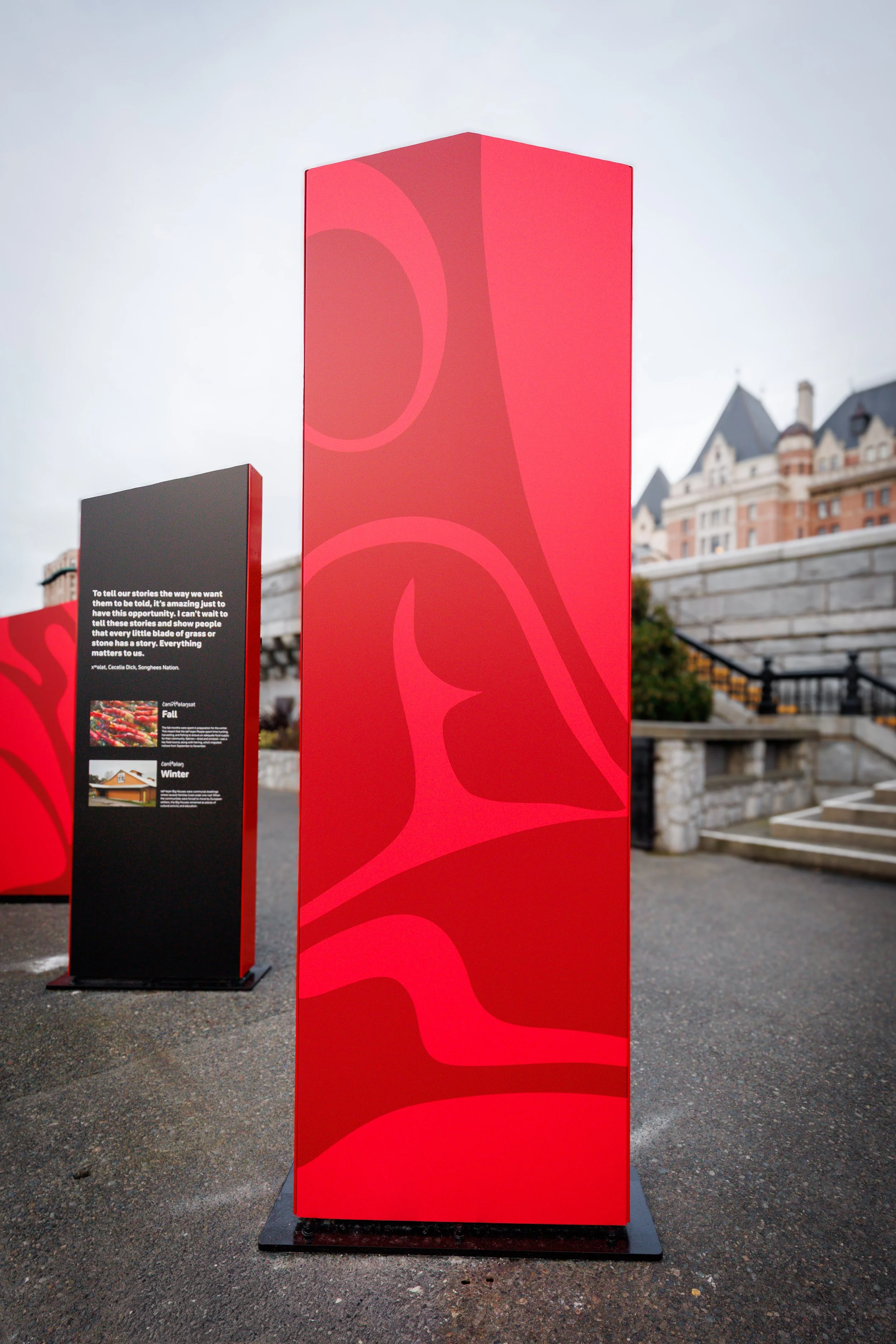
Through a collaborative design process with the GVHA and artists and communication teams from both Nations, Lost & Found translated the form of the traditional and distinctive Big House (Longhouse) into a contemporary, durable steel silhouette – abstract enough to avoid literal replication, yet immediately recognizable in profile. The core concept inspiring the design was to symbolically return the Big House to the Inner Harbour – to the very shores where these structures once stood before European settlement displaced the lək̓ʷəŋən People from their village at xwsəyq’əm.
The evocative structures, designed and engineered for longevity, create moments of reflection along one of Canada’s busiest waterfront promenades.
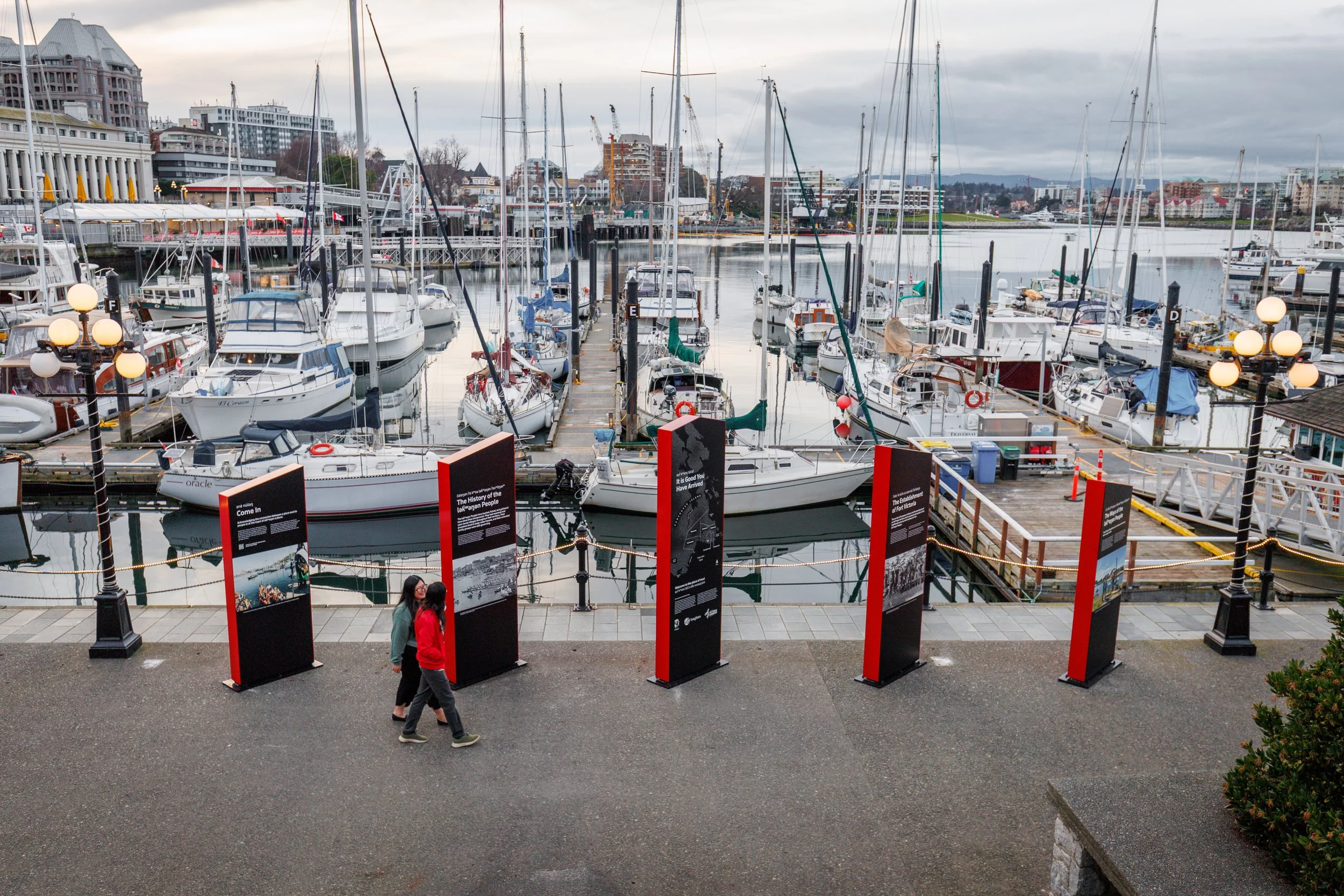
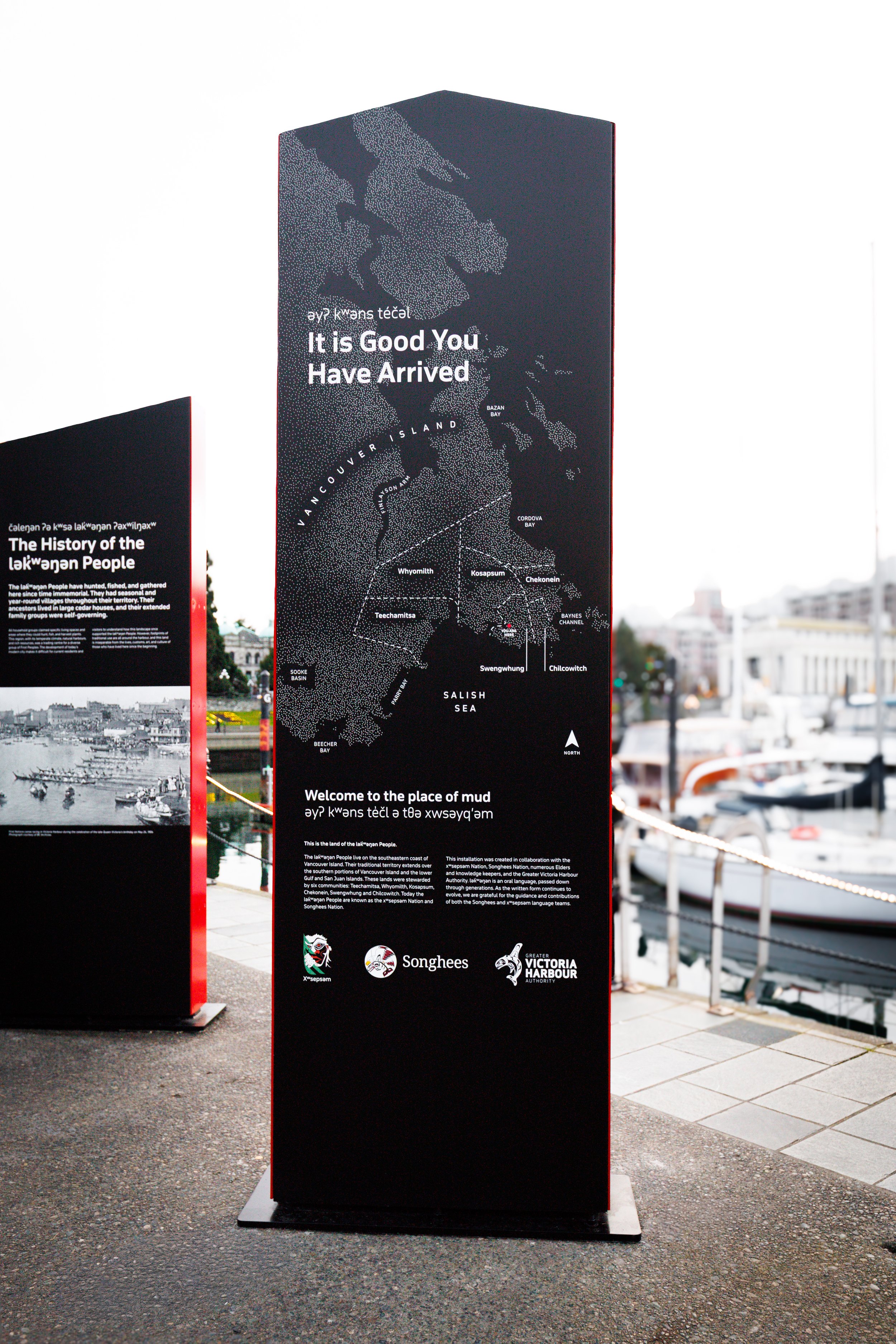
The purpose of this placemaking project was to centre the lək̓ʷəŋən People, their language, their history, their relationship to the land and water, and their vibrant, ongoing culture. The interpretive panels, developed in close collaboration with both Nations, tell these stories in their own words and on their own terms. The panels highlight the lək̓ʷəŋən language, pre-contact history, the arrival of the Hudson’s Bay Company and the building of Fort Victoria in 1843, and the Nations’ enduring living culture of ceremony, dance, song, and art, transforming a high-traffic public space into a place of cultural education, reflection, and recognition.
Other Projects